May 9, 2026
Electrical systems are at the heart of every modern property, powering everything from lighting and appliances to essential technology and climate control. At the center of this system is the electrical panel, often referred to as the breaker box. It is responsible for distributing electricity safely throughout the building while protecting circuits from overloads and faults. Over time, however, even the most reliable panels can become outdated, inefficient, or unsafe.
Electrical panel replacement is a critical service that ensures your home or commercial space continues to operate safely and efficiently. Whether you are experiencing performance issues, planning a renovation, or simply looking to modernize your electrical system, understanding the importance of upgrading your panel can help you make informed decisions. This guide explores the key aspects of electrical panel replacement, from safety considerations to long-term benefits.
Electrical Panel Function and Importance
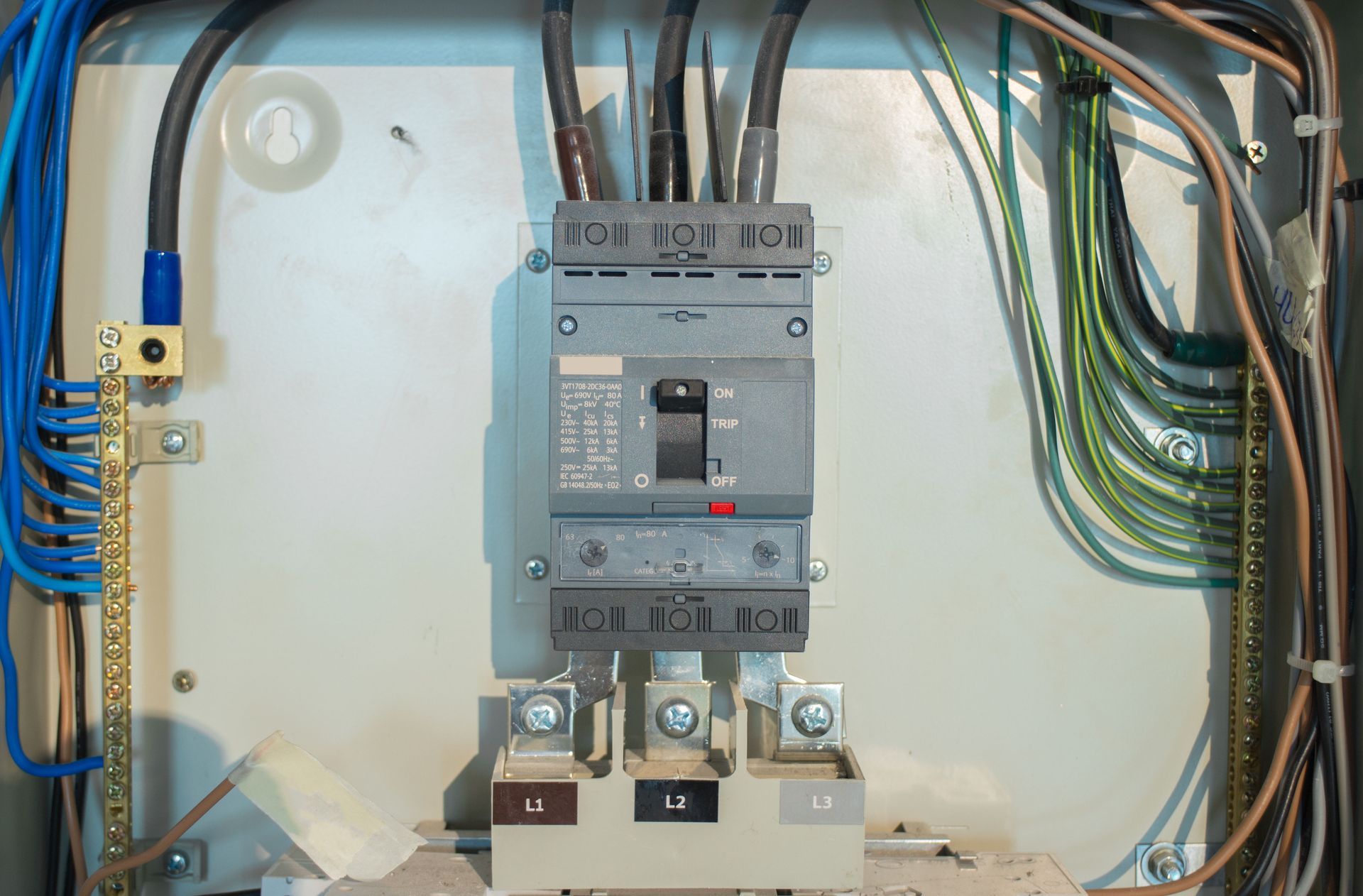
An electrical panel serves as the central hub of your entire electrical system. It receives power from the utility provider and distributes it across various circuits within the building. Each circuit is protected by breakers that automatically shut off power in the event of an overload or short circuit, helping to prevent damage and reduce the risk of fire.
Without a properly functioning panel, the flow of electricity can become unstable or hazardous. Older panels may struggle to meet the demands of modern devices and appliances, leading to frequent breaker trips or inconsistent performance. Electrical panel replacement ensures that your system is capable of handling current energy requirements while maintaining optimal safety standards.
As technology continues to evolve, the demand placed on electrical systems increases. From smart home devices to high-powered appliances, a modern panel is essential for supporting these advancements. Investing in an updated panel is not just about convenience but also about protecting your property and everyone within it.
Warning Signs of Panel Issues
Recognizing the signs of a failing or outdated panel is essential for maintaining a safe environment. Electrical systems often provide subtle warnings before more serious problems arise. Paying attention to these indicators can help you address issues before they escalate.
One of the most common signs is frequent breaker trips. While occasional trips are normal, repeated interruptions may indicate that the panel is unable to handle the electrical load. Flickering lights, especially when using certain appliances, can also point to underlying panel issues.
Electrical panel replacement becomes necessary when these symptoms indicate that the system is no longer functioning safely or efficiently. Ignoring these warning signs can lead to more serious hazards, including electrical fires or equipment damage.
Safety Benefits of Panel Replacement
Safety is one of the primary reasons property owners consider electrical panel replacement. An outdated or malfunctioning panel can pose significant risks, particularly in older buildings where electrical systems may not meet current standards.
Modern panels are designed with advanced safety features that help prevent overloads, short circuits, and other electrical issues. These improvements reduce the likelihood of fire hazards and ensure that circuits are properly protected. Additionally, updated panels provide more reliable grounding, which is essential for preventing electrical shocks.
By prioritizing safety through electrical panel replacement, you are taking a proactive step toward protecting your property, your equipment, and the people who rely on your electrical system every day.
Efficiency and Performance Improvements
Beyond safety, electrical panel replacement plays a significant role in improving overall efficiency and performance. A modern panel distributes electricity more effectively, reducing strain on circuits and minimizing energy waste.
When your electrical system operates efficiently, appliances and devices perform better. This can lead to improved functionality, reduced wear and tear, and a longer lifespan for your equipment. In addition, a properly functioning panel helps maintain consistent power levels, preventing issues such as voltage fluctuations.
Upgrading your panel can also support energy-efficient technologies. Many modern systems are designed to work seamlessly with renewable energy sources, smart home integrations, and advanced energy management tools. This adaptability allows you to optimize energy usage and potentially reduce utility costs over time.
The growing importance of electrical systems is reflected in industry trends. According to Research Nester, in the year 2024, the industry size of electrical control panels is valued at $6.6 billion, highlighting the increasing demand for reliable and efficient electrical infrastructure. This growth underscores the value of investing in updated systems that meet modern expectations.
Situations That Require Panel Upgrades
There are several situations where electrical panel replacement becomes not just beneficial but necessary. One of the most common scenarios is when a property undergoes renovations or expansions. Adding new rooms, upgrading appliances, or installing specialized equipment often increases the demand on the electrical system.
Older homes and buildings are another key consideration. Many older panels were not designed to handle the electrical needs of today’s technology-driven lifestyles. As a result, they may become overloaded or fail to provide adequate power distribution.
Another situation that may require an upgrade is the installation of high-powered systems such as electric vehicle chargers, advanced HVAC units, or commercial-grade equipment. These additions place significant demands on the electrical system, making a modern panel essential.
Insurance requirements and property inspections can also prompt the need for electrical panel replacement. In some cases, outdated panels may not meet the criteria for coverage or compliance, making an upgrade necessary to maintain eligibility and avoid complications.
Professional Process and Considerations
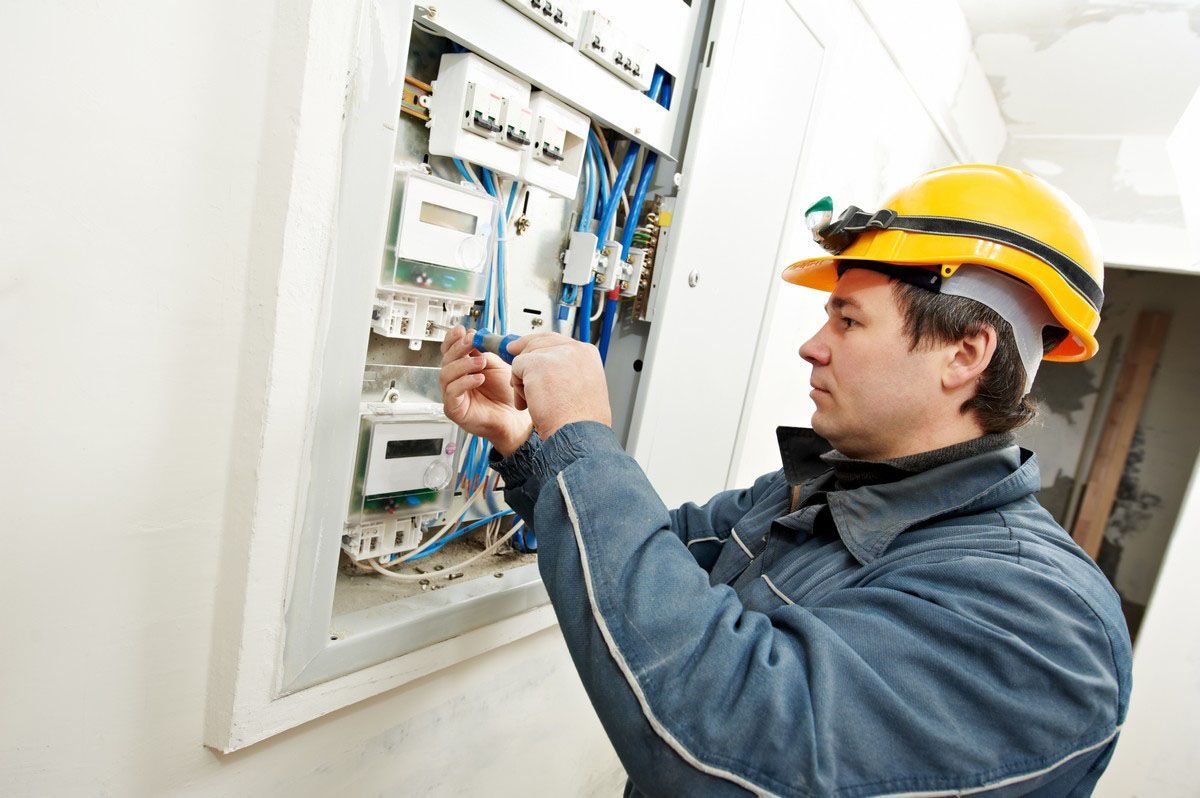
Electrical panel replacement is a complex process that requires professional expertise. It involves careful planning, precise installation, and thorough testing to ensure that the system operates safely and efficiently.
The process typically begins with an assessment of the existing electrical system. Professionals evaluate the current panel, identify any issues, and determine the appropriate capacity for the new panel. This step is crucial for ensuring that the replacement meets both current needs and future demands.
Installation involves disconnecting the old panel, upgrading wiring if necessary, and installing the new panel with proper connections and grounding. Once the installation is complete, the system is tested to confirm that all circuits function correctly and that safety measures are in place.
It is important to note that electrical panel replacement should never be approached as a do-it-yourself project. The risks associated with electrical work are significant, and improper installation can lead to serious hazards. Relying on trained professionals ensures that the job is completed safely and in compliance with all regulations.
Working with experienced professionals also provides valuable insights and recommendations. They can guide you in selecting the right panel for your needs and help you understand how to maintain your system for long-term performance.
Long-Term Value and Property Benefits
Investing in electrical panel replacement offers long-term value that extends beyond immediate improvements. One of the most notable benefits is the positive impact on property value. A modern electrical system is an attractive feature for potential buyers and can enhance the overall appeal of your property.
Reliability is another key advantage. With a new panel in place, you can enjoy consistent power distribution without the interruptions or concerns associated with outdated systems. This reliability is particularly important for businesses that depend on uninterrupted operations.
Energy efficiency also contributes to long-term savings. By optimizing the performance of your electrical system, you can reduce energy waste and improve the overall effectiveness of your appliances and devices. Over time, these improvements can lead to noticeable cost savings.
Additionally, an upgraded panel provides flexibility for future upgrades. As technology continues to evolve, having a modern electrical system allows you to integrate new devices and systems without the need for further major modifications.
Electrical panel replacement is not just a short-term fix but a strategic investment that supports safety, efficiency, and adaptability for years to come.
Electrical panel replacement is a vital aspect of maintaining a safe and efficient property. From improving safety standards to enhancing performance and supporting modern technology, upgrading your panel offers a wide range of benefits. Recognizing the signs of panel issues and understanding the importance of professional installation can help you make informed decisions that protect your investment.
If you are considering electrical panel replacement, we are here to help. At Ken-B-Done MFG. Co., Inc., we provide expert guidance and professional service to ensure your electrical system meets the highest standards of safety and efficiency. Let us help you create a reliable foundation for your property’s electrical needs.